About Kiribati
The Republic of Kiribati is made up of 33 unique atolls and beautiful islands dispersed over an expansive 3.5 million square kilometres of ocean territory. The population of Kiribati at the last household visitation survey conducted by the National Statistics Ofce (NSO) in 2023 was 121,184. There are 3 island groups within the country: the Gilbert group, the Line group and the Phoenix group.
Each island has its own unique history. While some stories and myths link one island to another, the individual islands are possessive over and proud of their versions of Kiribati prehistoric times, which is commonly linked to land ownership.
I-Kiribati (people of Kiribati) are raised by a culture of ‘resilience’ and living in harmony with the islands they inhabit and the ocean that surrounds their islands. Our ancestors navigated the vast Pacific Ocean, to create a wealthy, healthy and peaceful home in the 33 beautiful islands that have now become the sovereign Republic of Kiribati. I-Kiribati are culturally and ethnically homogeneous with a a shared genetic history, cultural traditions, values, historical experience, and language. Traditional Knowledge and cultural skills are a rich resource for Kiribati that needs to be safeguarded and revived.
Through challenging times, the people of Kiribati have endured and remained resilient, living in peace and harmony with their environment and our friendly neighbours. Our culture is complex and diverse, with each of our islands having their unique traditions. We value this diversity, and it is fundamental to our uniqueness as I-Kiribati. We are people of the ocean. We have lived, thrived, and survived by caring and respecting one another, and sustainably managing the bountiful resources of our ocean, in our pursuit to create a wealthy, healthy and peaceful nation.
Climate change
Kiribati is one of the most vulnerable countries in the world to the effects of climate change. The country’s ability to respond to climate risks is hampered by its highly vulnerable socio-economic and geographical situation. Low-lying atolls, isolated location, small land are separated by vast oceans, high population concentration, and the costs of providing basic services make Kiribati especially vulnerable to external shocks including the adverse impacs of climate change. Sea-level rise and exacerbated natural disasters such as drought and weather fluctuations pose significant and direct additional threats to sectors and resources central to human and national development and the provision of basic human needs.
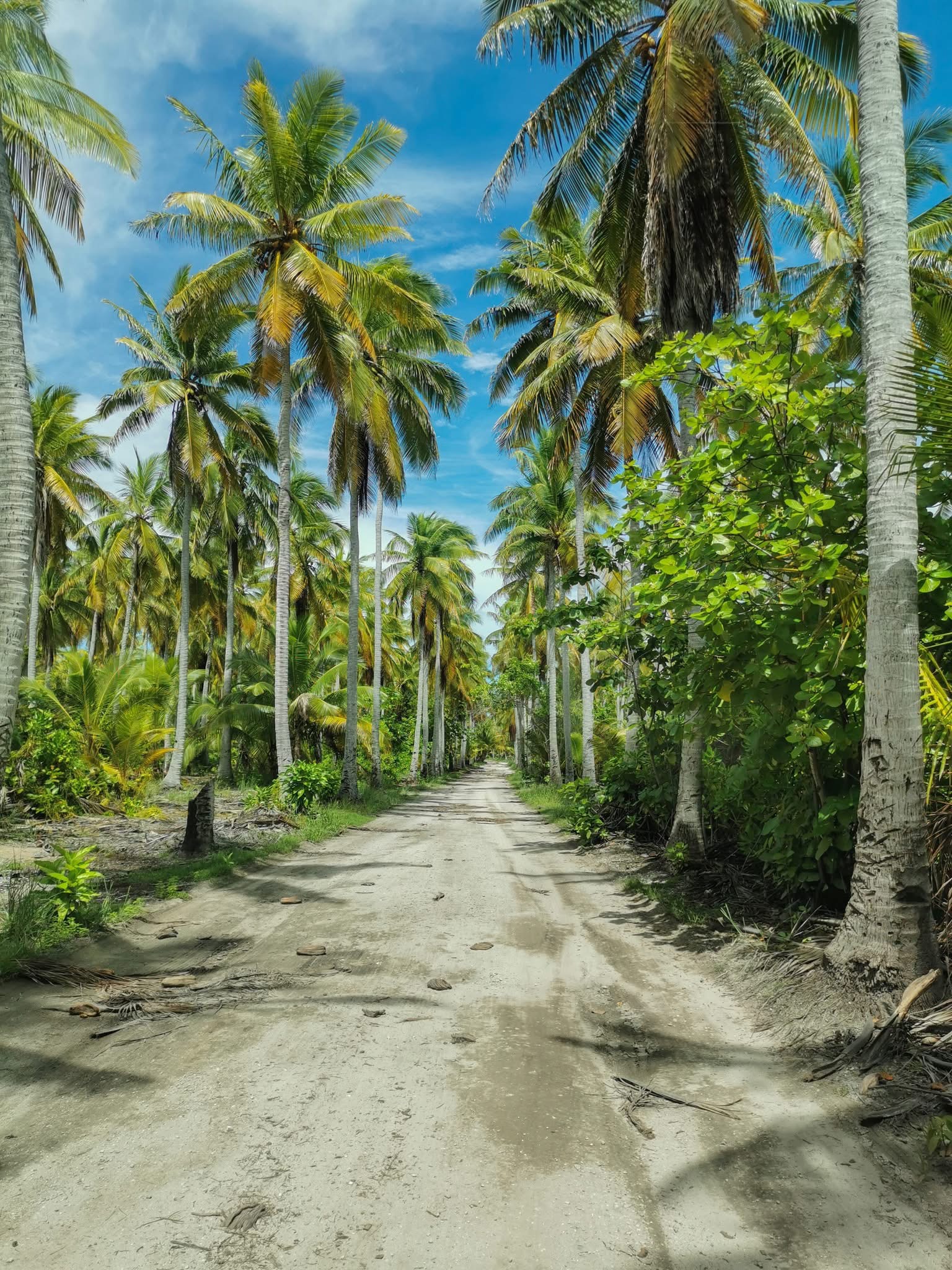
Resilience.
For a long time, the people of Kiribati have faced development challenges. Kiribati is described as a ‘Small Island Developing State’, which is a category based on ‘size’ and ‘development stature’ relative to OECD countries. We believe that this classification is not conducive to our national development. We seek a paradigm shift that refocuses our efforts in a manner that recognizes and builds on our resilience, and embraces opportunities for development. We seek to move beyond ‘business as usual’ and engage in innovative and strategic partnerships that can transform our nation.